Introduction

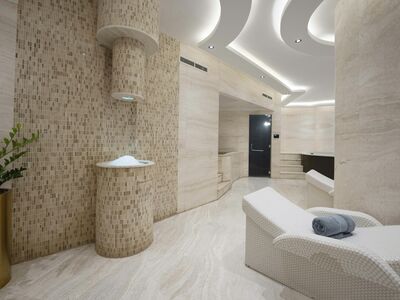
Imagine standing at the entrance of a sprawling wellness retreat, the scent of eucalyptus drifting through the air, warm stone floors beneath your feet, and a menu of treatments so vast it reads like a novel. Now imagine a sleek urban clinic where lasers hum softly and board-certified physicians guide your skin toward a second youth. Both of these are spas — yet they could not be more different.
The world of spas is far richer and more varied than most people realize. What exactly are the different types of spas, and how do you choose the one that matches your goals? Whether you are chasing deep relaxation, medical-grade rejuvenation, or an eco-conscious escape, understanding spa classifications is the first step toward making the right investment in your well-being.
This comprehensive guide walks you through eight distinct spa types, explaining what each one offers, who it serves best, and what you can expect when you walk through the door. If you want a focused look at the core classifications, our guide to the six types of spa covers the industry-standard framework.
Table of Contents

- Day Spa — Relaxation Without the Suitcase
- Resort and Hotel Spa — Where Vacation Meets Wellness
- Destination Spa — A Full Immersion in Health
- Medical Spa (MedSpa) — Science Meets Serenity
- Mineral Springs Spa — Nature’s Ancient Remedy
- Club Spa — Fitness and Pampering Under One Roof
- Cruise Ship Spa — Wellness on the Open Water
- Eco Spa — Healing the Body and the Planet
- Key Takeaways
- Frequently Asked Questions
- Conclusion
Day Spa — Relaxation Without the Suitcase

Think of a day spa as a pit stop for your soul. There is no overnight stay, no packed luggage, and no need to request time off work beyond an afternoon. You walk in weary and walk out renewed — often within a few hours.
Day spas are the most common and accessible spa type worldwide. They typically offer a menu that includes massages, facials, body scrubs, manicures, pedicures, and aromatherapy sessions. Because they operate on a walk-in or appointment basis without lodging, day spas tend to be more affordable than their residential counterparts.
Best for: Busy professionals, first-time spa-goers, and anyone seeking a quick but meaningful escape from daily stress. If massage is your main priority, our guide to finding the best spa massage for your needs compares every popular modality.
Resort and Hotel Spa — Where Vacation Meets Wellness
Picture this: you spend the morning lounging by a turquoise infinity pool, the afternoon receiving a hot-stone massage, and the evening dining on locally sourced cuisine. That seamless blend of leisure and self-care is exactly what a resort or hotel spa delivers.
These spas operate as an amenity within a larger hospitality property. Guests staying at the resort or hotel can add spa treatments to their vacation itinerary without traveling elsewhere. Services often mirror those of a day spa but may also include hydrotherapy pools, saunas, steam rooms, and exclusive signature rituals inspired by local culture.
Best for: Couples on romantic getaways, families seeking variety, and travelers who want wellness woven into a broader vacation experience.
Destination Spa — A Full Immersion in Health
If a day spa is a pit stop, a destination spa is the entire road trip. Your journey revolves entirely around wellness. Multi-day programs — sometimes lasting a week or longer — combine fitness classes, nutritional counseling, meditation, spa treatments, and educational workshops into a structured itinerary designed to transform your habits.
Unlike resort spas where treatments are optional add-ons, destination spas make wellness the main event. Meals are carefully curated, alcohol is often limited or absent, and every element of the stay is calibrated to help guests reset their physical and mental health.
Best for: Individuals committed to lifestyle change, those recovering from burnout, and wellness enthusiasts seeking deep, guided transformation.
Medical Spa (MedSpa) — Science Meets Serenity
A medical spa sits at the fascinating intersection of a clinical environment and a traditional spa atmosphere. Here, licensed physicians, nurse practitioners, or physician assistants oversee treatments that go beyond relaxation and into the territory of aesthetic medicine.
Services at a medspa commonly include Botox injections, dermal fillers, chemical peels, laser hair removal, microneedling, and body contouring procedures. The ambiance remains calming and spa-like, but the results are backed by medical science and regulatory oversight. If you are weighing clinical treatments against relaxation-focused services, understanding the key differences between spas and medspas will clarify exactly what each setting delivers.
Best for: Individuals seeking cosmetic enhancements, anti-aging treatments, or skin conditions that require professional medical intervention in a comfortable setting.
Mineral Springs Spa — Nature’s Ancient Remedy
Long before modern medicine existed, ancient civilizations discovered that soaking in naturally heated, mineral-rich waters eased aching joints, soothed skin conditions, and calmed restless minds. Mineral springs spas carry that tradition forward.
These spas are built around natural hot springs or geothermal water sources containing minerals such as sulfur, magnesium, calcium, and silica. Therapeutic bathing — known as balneotherapy — is the cornerstone experience, often complemented by mud wraps, hydrotherapy circuits, and traditional massage.
Best for: Those drawn to natural healing, individuals with chronic pain or skin conditions like eczema and psoriasis, and history lovers who appreciate centuries-old wellness traditions.
Club Spa — Fitness and Pampering Under One Roof
Why choose between a workout and a massage when you can have both? A club spa operates within a fitness center, health club, or gym, offering members spa services alongside their regular exercise routines.
The treatment menu is typically more focused than a full-service day spa — think sports massages, quick facials, steam rooms, and sauna access — but the convenience factor is unmatched. You finish your spin class, shower, and slide into a recovery massage without ever leaving the building.
Best for: Fitness enthusiasts, athletes needing recovery support, and anyone who values the efficiency of combining exercise and relaxation in a single visit.
Cruise Ship Spa — Wellness on the Open Water
There is something almost poetic about receiving a deep-tissue massage while the ocean stretches endlessly outside your window. Cruise ship spas bring full-service wellness facilities aboard luxury liners, turning days at sea into opportunities for profound relaxation.
Modern cruise spas rival land-based facilities with thermal suites, acupuncture, teeth whitening, couples massage cabins, and even medi-spa treatments. Many partner with well-known wellness brands to deliver signature experiences you would expect at a five-star resort.
Best for: Cruise travelers looking to elevate their voyage, those with sea days to fill, and anyone who loves the idea of pampering surrounded by ocean views.
Eco Spa — Healing the Body and the Planet
In an age of growing environmental awareness, the eco spa has emerged as a powerful answer to a pressing question: can self-care and sustainability coexist? The answer is a resounding yes.
Eco spas prioritize organic and locally sourced products, energy-efficient building designs, water conservation practices, and biodegradable materials. Treatments often draw on indigenous traditions and plant-based ingredients. The architecture itself may feature reclaimed wood, living green walls, and solar-powered systems.
Best for: Environmentally conscious consumers, travelers who value ethical businesses, and anyone who wants their relaxation to leave a gentle footprint on the earth.
Key Takeaways
- Day spas provide quick, accessible treatments without overnight stays — ideal for routine self-care.
- Resort and hotel spas blend vacation leisure with on-site wellness amenities.
- Destination spas offer immersive, multi-day programs focused entirely on health transformation.
- Medical spas deliver physician-supervised aesthetic treatments in a relaxing environment.
- Mineral springs spas harness the therapeutic power of natural geothermal waters.
- Club spas combine fitness facilities with convenient spa services for members.
- Cruise ship spas bring luxury wellness experiences to the open sea.
- Eco spas prove that indulgence and environmental responsibility can work hand in hand.
Frequently Asked Questions
What is the most popular type of spa?
The day spa is the most popular and widely available type of spa globally. Its accessibility, affordable pricing, and no-commitment format make it the go-to choice for millions of people seeking regular relaxation and self-care treatments.
What is the difference between a day spa and a destination spa?
A day spa offers individual treatments during a single visit with no overnight stay, while a destination spa requires a multi-day commitment where your entire trip is structured around wellness programs, nutrition, fitness, and holistic health.
Are medical spa treatments safe?
Yes, when performed at a reputable facility. Medical spas operate under the supervision of licensed medical professionals, and treatments follow strict health and safety protocols. Always verify the credentials of the overseeing physician before booking.
Do mineral springs spas actually offer health benefits?
Research supports that balneotherapy — bathing in mineral-rich thermal waters — can help reduce inflammation, ease joint pain, improve circulation, and benefit certain skin conditions. However, results vary by individual, and mineral bathing should complement rather than replace medical treatment.
How do I choose the right spa type for me?
Consider your primary goal. If you want quick relaxation, choose a day spa. If you seek medical aesthetics, visit a medspa. For a life-changing wellness retreat, book a destination spa. For sustainable pampering, seek out an eco spa. Matching your intention to the spa category ensures the best experience. For a side-by-side comparison with pros and cons, our guide on how to determine which spa type is best simplifies the decision.
Conclusion
The spa industry is not a one-size-fits-all landscape — it is a rich tapestry woven from diverse traditions, modern innovations, and deeply personal wellness goals. From the convenience of a neighborhood day spa to the transformative power of a destination retreat, from the clinical precision of a medspa to the earth-honoring philosophy of an eco spa, there is a spa type perfectly suited to every lifestyle and aspiration.
Understanding these categories empowers you to move beyond guesswork and make intentional choices about where you invest your time, money, and trust. So the next time someone asks you, “What kind of spa should I try?” you will not just have an answer — you will have eight of them, each as compelling as the last. Your perfect spa experience is waiting. For even more perspective, try exploring different types of spas in detail, including Ayurvedic, Thai, and hammam traditions. The only question left is: which door will you open first?